INTRODUCTION
Uganda has officially confirmed a new outbreak of Ebola, sparking concerns about the rapid spread of the deadly virus. The Ministry of Health and the World Health Organization (WHO) have issued urgent warnings as efforts to contain the outbreak intensify.
1. WHAT IS EBOLA?
Ebola Virus Disease (EVD) is a highly contagious and often fatal illness caused by the Ebola virus. It spreads through direct contact with bodily fluids of infected individuals, contaminated surfaces, or infected animals. The disease has a high mortality rate, making rapid response critical.
2. KEY SYMPTOMS OF EBOLA
Symptoms appear 2–21 days after exposure and can quickly worsen. Watch out for:
1️⃣ High fever
2️⃣ Severe headache
3️⃣ Muscle and joint pain
4️⃣ Extreme weakness and fatigue
5️⃣ Sore throat and difficulty swallowing
6️⃣ Vomiting and diarrhea (sometimes with blood)
7️⃣ Unexplained bleeding or bruising
8️⃣ Organ failure in severe cases
Early detection is crucial, as delayed treatment increases the risk of death.
3. HOW IS EBOLA SPREAD?
Ebola does NOT spread through the air like the flu or COVID-19. It is transmitted through:
1️⃣ Direct contact with blood, saliva, sweat, urine, vomit, or feces of an infected person.
2️⃣ Exposure to contaminated surfaces (clothing, bedding, medical equipment).
3️⃣ Consumption of infected bushmeat or contact with infected animals (e.g., bats, monkeys).
4️⃣ Handling bodies of deceased Ebola victims without proper protective measures.
4. CURRENT RESPONSE MEASURES
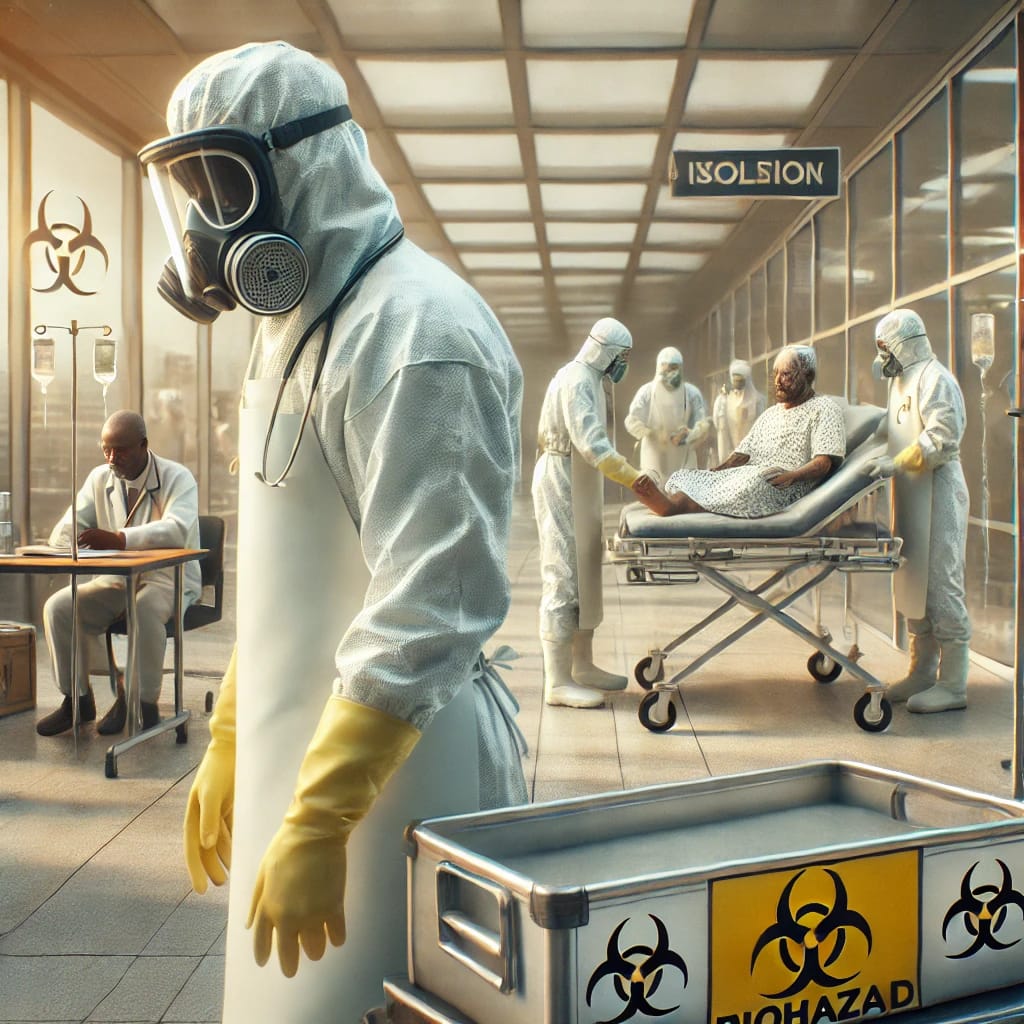
Ugandan health authorities, in collaboration with WHO and global health organizations, are taking immediate action to contain the outbreak:
1️⃣ Rapid testing and isolation of suspected cases.
2️⃣ Contact tracing to identify and monitor those exposed.
3️⃣ Public health awareness campaigns to educate communities.
4️⃣ Deployment of medical teams to affected regions.
5️⃣ Border screenings to prevent international spread.
5. HOW TO PROTECT YOURSELF FROM EBOLA
1️⃣ Practice strict hygiene – Wash hands frequently with soap and water.
2️⃣ Avoid direct contact with infected individuals or their belongings.
3️⃣ Seek medical help immediately if symptoms appear.
4️⃣ Follow official health guidelines from the Ministry of Health and WHO.
5️⃣ Avoid handling wild animals or consuming bushmeat.
6️⃣ Ensure proper burial practices Avoid touching deceased victims.
6) IS THERE A CURE FOR EBOLA?
There is no specific cure for Ebola, but early treatment can increase survival rates. Supportive care includes:
1️⃣ Rehydration therapy (fluids and electrolytes)
2️⃣ Oxygen support for breathing difficulties
3️⃣ Blood pressure management
4️⃣ Experimental antiviral treatments in some cases
Vaccines like Ervebo (rVSV-ZEBOV) have been effective in preventing Zaire ebolavirus, but different strains require different vaccines.
7. FINAL THOUGHTS
The confirmation of a new Ebola outbreak in Uganda is a serious public health concern. Early detection, community awareness, and rapid medical response are key to controlling the spread. By staying informed and vigilant, individuals and communities can help protect themselves and others.



No comment