INTRODUCTION
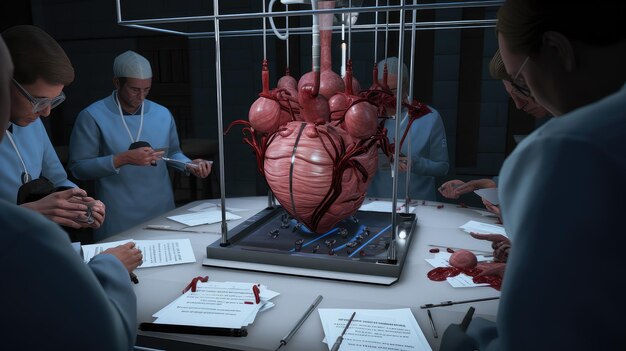
In an unprecedented medical discovery, scientists have identified a group of artificial heart patients capable of regenerating heart muscle tissue. This remarkable phenomenon challenges conventional treatments for heart disease and ignites new hope for millions globally.
THE MIRACLE OF HEART MUSCLE REGENERATION
Heart disease remains the world’s leading cause of death, with many patients depending on artificial heart devices to survive. While these devices prolong life, they are not curative and often come with complications. The newfound ability of some patients to regenerate heart muscle defies traditional understanding and could reshape how heart disease is treated.
UNLOCKING THE SECRETS OF HEART REGENERATION
Scientists are delving deep to uncover what enables this extraordinary regenerative capacity. By studying the genetic and molecular processes at work, researchers hope to:
1. Identify key genes and proteins involved in regeneration.
2. Develop therapies to stimulate heart muscle repair in all patients.
3. Reduce reliance on artificial devices by promoting natural healing.
This research paves the way for therapies that might one day eliminate the need for invasive surgeries or lifelong dependence on mechanical devices.
AGING AND THE BRAIN: NEW INSIGHTS FROM MOUSE STUDIES
Parallel to advancements in heart health, researchers have made significant progress in understanding brain aging. Studies on aging mice reveal molecular changes linked to cognitive decline and neurodegenerative diseases. This research offers:
A clearer picture of how aging affects brain cells.
Insights into preventing diseases like Alzheimer’s and Parkinson’s.
Strategies to promote healthier aging for future generations.
IMPLICATIONS FOR HUMAN HEALTH
These discoveries in heart regeneration and brain aging hold tremendous promise:
1. REVOLUTIONIZING HEART DISEASE TREATMENT
The potential for natural heart muscle repair could transform care, reducing mortality and improving quality of life for millions.
2. COMBATING NEURODEGENERATIVE DISEASES
By understanding brain aging, scientists can develop preventative measures and treatments for cognitive decline.
3. FOSTERING COLLABORATIVE MEDICAL RESEARCH
These breakthroughs highlight the power of interdisciplinary studies, merging cardiovascular science, neuroscience, and regenerative biology.
A BRIGHT FUTURE FOR MEDICAL INNOVATION
These discoveries mark a monumental step forward in heart and brain health research. With continued exploration, the future promises groundbreaking therapies that can restore heart function, combat aging, and improve lives worldwide.



No comment