
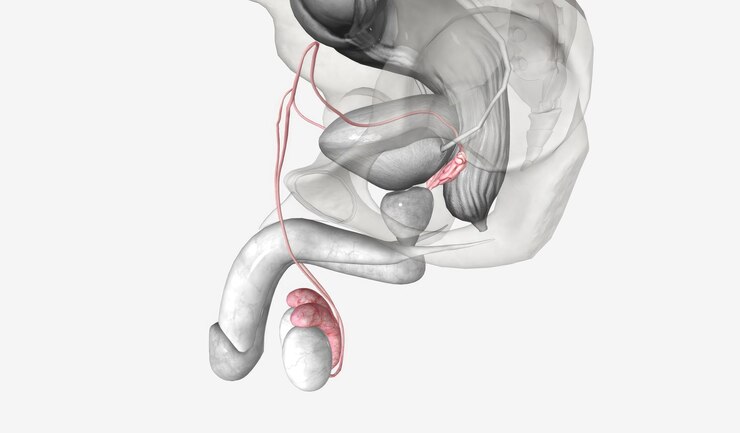
INTRODUCTION
Prostate cancer is the second most common cancer among men globally, with over 1.3 million new cases diagnosed each year. Despite its prevalence, many men remain unaware of its risks, symptoms, and available treatments. This guide aims to empower you with essential knowledge to prioritize your prostate health.
RISKS FACTORS FOR PROSTATE CANCER
Understanding the risk factors for prostate cancer can help you stay proactive about prevention and early detection. While the exact causes remain unclear, several factors significantly contribute to the likelihood of developing the disease:
1. Age: The risk of prostate cancer rises significantly after age 50.
2. Family History: A father or brother with prostate cancer can double your risk.
3. Genetic Mutations: Inherited mutations like BRCA1 and BRCA2 increase susceptibility.
4. Ethnicity: African American men face a higher risk and tend to develop more aggressive forms of the disease.
5. Diet and Lifestyle: Diets high in red or processed meats and low in fruits and vegetables, combined with a sedentary lifestyle, can elevate your risk.
SYMPTOMS OF PROSTATE CANCER
Prostate cancer often develops slowly and may not show symptoms in its early stages. However, as it progresses, common signs include:
1. Urinary Issues: Difficulty starting or stopping urination, weak urine flow, or frequent urination.
2. Painful Urination: Burning sensations or discomfort during urination.
3. Blood in Urine or Semen: A possible indicator of advanced stages.
4. Pelvic Pain: Discomfort in the lower back, hips, or pelvic area.
5. Erectile Dysfunction: Difficulty achieving or maintaining an erection.
If you experience any of these symptoms, consult a healthcare professional promptly.
DIAGNOSIS AND STAGING
Diagnosing prostate cancer typically involves:
Physical Exam: Digital rectal exam (DRE) to feel for abnormalities.
PSA Test: Measures prostate-specific antigen levels in the blood.
Imaging: MRI or CT scans to detect tumors.
Biopsy: Confirms the presence and aggressiveness of cancer.
Staging is crucial to determine how far cancer has spread, influencing treatment decisions.
TREATMENT OPTIONS
The treatment approach depends on the cancer’s stage, aggressiveness, and your overall health. Common treatments include:
1. Surgery: Removal of the prostate gland (radical prostatectomy).
2. Radiation Therapy: Targets and kills cancer cells using high-energy rays.
3. Hormone Therapy: Blocks testosterone to slow cancer growth.
4. Chemotherapy: Kills rapidly dividing cancer cells.
5. Active Surveillance: Close monitoring for slow-growing cancers without immediate intervention.
PREVENTION AND EARLY DETECTION
While prevention isn’t guaranteed, adopting healthy habits can lower your risk and ensure early detection:
1. Regular Screenings: Annual PSA tests and DREs for men over 50—or earlier if you’re at higher risk.
2. Healthy Diet: Focus on fruits, vegetables, whole grains, and healthy fats like omega-3s.
3. Stay Active: Exercise regularly to maintain a healthy weight and reduce inflammation.
4. Limit Risky Habits: Reduce red meat, processed foods, and alcohol intake.
5. Manage Stress: Incorporate stress-reducing practices such as yoga or mindfulness
PROSTATE CANCER FQAs
Q: At what age should I start getting screened for prostate cancer?
A: Screening typically begins at age 50, but high-risk individuals (e.g., African Americans or those with a family history) should start at 40–45.
Q: Is prostate cancer always life-threatening?
A: No, many cases are slow-growing and may not require aggressive treatment. Early detection increases the likelihood of successful management.
Q: Can lifestyle changes reduce my risk?
A: Yes, maintaining a balanced diet, exercising, and reducing stress can help lower your risk.
TAKE CONTROL OF YOUR HEALTH
Prostate cancer is a common but manageable disease, especially when caught early. By staying informed, getting regular check-ups, and leading a healthy lifestyle, you can significantly reduce your risk and ensure timely treatment. Remember, knowledge and proactive action are your best defenses.



No comment