
INTRODUCTION
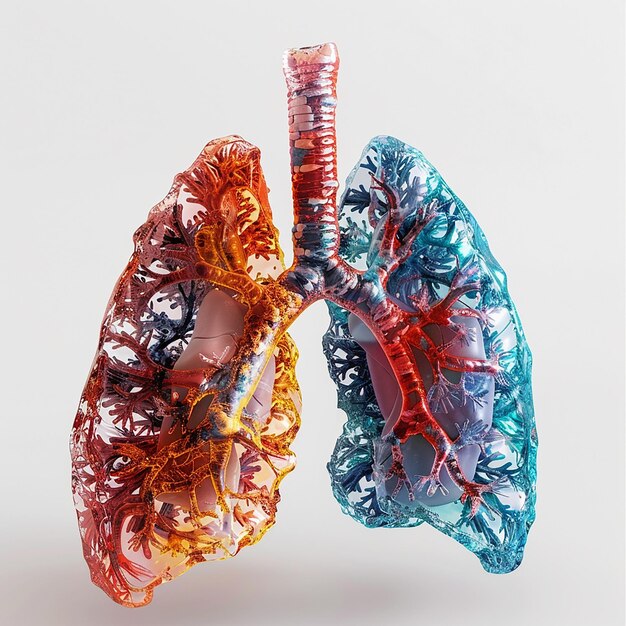
Lung cancer is the deadliest cancer worldwide, claiming over 1.7 million lives each year. Despite its alarming prevalence, this disease remains shrouded in misconceptions. Let’s unpack the causes, symptoms, and treatment options for lung cancer, equipping you with essential knowledge to safeguard your lung health.
CAUSES OF LUNG CANCER
Lung cancer stems from a combination of environmental, lifestyle, and genetic factors. Here are the key culprits:
1. Smoking: The number 1 cause of lung cancer, responsible for over 80% of cases. The more you smoke, the higher your risk.
2. Secondhand Smoke: Living or working with a smoker increases your lung cancer risk by nearly 30%.
3. Radon Exposure: Radon, an odorless radioactive gas found in homes and workplaces, is a leading cause of lung cancer among non-smokers.
4. Asbestos: Prolonged exposure to asbestos, often in industrial or construction jobs, significantly raises lung cancer risk.
5. Genetic Mutations: Inherited mutations, like EGFR and ALK, can predispose individuals to lung cancer—even without a history of smoking.
Takeaway: Awareness of these risk factors can empower you to make informed lifestyle changes.
SYMPTOMS OF LUNG CANCER
The symptoms of lung cancer are often subtle at first, which is why early detection is vital. Here are the warning signs:
Persistent Cough: Especially one that worsens or changes over time.
Chest Pain: Discomfort or sharp pain, often triggered by coughing, laughing, or deep breathing.
Coughing Up Blood: Even a small amount of blood or rust-colored mucus should prompt immediate medical attention.
Shortness of Breath: Difficulty breathing or wheezing, especially during routine activities.
Unexplained Weight Loss: Sudden and significant weight loss without changes in diet or exercise.
Note: Symptoms can mimic less serious conditions like bronchitis. Don’t ignore them—consult your doctor promptly.
DIAGNOSIS AND STAGING
Diagnosing lung cancer involves imaging tests (like CT scans), biopsies, and sometimes molecular testing to identify genetic mutations. Staging, which determines how far the cancer has spread, is crucial for guiding treatment.
TREATMENT OPTIONS FOR LUNG CANCER
Treatment depends on the stage, type, and overall health of the patient. Here’s an overview of available options:
1. Surgery: Effective for early-stage lung cancer, surgeries like lobectomy or pneumonectomy remove cancerous tissue.
2. Chemotherapy: Uses powerful drugs to kill cancer cells or slow their growth, often used in combination with other treatments.
3. Radiation Therapy: Targets and destroys cancer cells, frequently used for localized tumors or symptom relief.
4. Targeted Therapy: Focuses on specific genetic mutations (e.g., EGFR, ALK) that drive cancer growth, offering a tailored approach.
5. Immunotherapy: Boosts the immune system to identify and attack cancer cells, effective in advanced cases.
Advancement Innovations in precision medicine are making lung cancer treatment more effective and less invasive.
PREVENTION AND EARLY DETECTION
While not all cases are preventable, these steps can drastically reduce your risk:
Quit Smoking: This is the single most effective prevention strategy, regardless of how long you’ve smoked.
Avoid Secondhand Smoke: Advocate for smoke-free environments at home and work.
Test for Radon: Radon test kits can help detect unsafe levels in your home.
Screening: If you’re a long-term smoker or have other risk factors, consider annual low-dose CT scans.
Reminder: Prevention starts with awareness and proactive action.
CONCLUSION
Lung cancer is a formidable challenge, but early detection and lifestyle changes can save lives. By understanding its causes, recognizing symptoms, and exploring treatment options, you empower yourself to take control of your lung health. Together, we can reduce the devastating impact of this disease.
FREQUENT ASKED QUESTIONS (FAQs)
1. Can non-smokers get lung cancer?
Yes. About 10–20% of lung cancer cases occur in non-smokers, often linked to radon, secondhand smoke, or genetic factors.
2. How can I detect lung cancer early?
Regular screenings and attention to symptoms like persistent cough or chest pain can lead to early diagnosis.
3. What’s the survival rate for lung cancer?
Survival rates vary by stage, but early-stage detection significantly improves outcomes.
4. Is lung cancer curable?
In its early stages, lung cancer can often be treated successfully, particularly with advancements in targeted and immunotherapy.
Empower yourself and others by spreading awareness about lung cancer today!



No comment