INTRODUCTION
Hypertension, or high blood pressure, is one of the most prevalent health issues worldwide, often referred to as the “silent killer” due to its lack of noticeable symptoms. Despite being common, hypertension is manageable and preventable with the right information and lifestyle choices. This guide explores hypertension from its causes and symptoms to prevention, treatment, and myths, providing actionable insights for better blood pressure management.
WHATH IS HYPERTENTION?
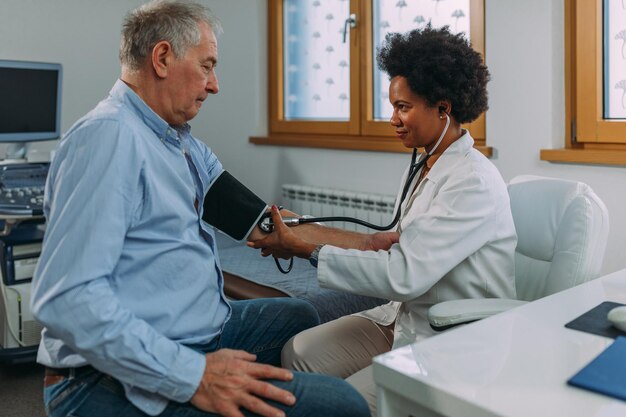
Hypertension occurs when the force of blood against the walls of your arteries is consistently too high. Blood pressure readings are given in two numbers:
Systolic pressure (the top number): Measures pressure when the heart beats.
Diastolic pressure (the bottom number): Measures pressure when the heart is at rest.
A normal blood pressure reading is less than 120/80 mmHg. Readings consistently higher than this may indicate hypertension.
TYPES OF HYPERTENTION
1. Primary (Essential) Hypertension: Develops over time due to lifestyle factors or genetics.
2. Secondary Hypertension: Caused by an underlying health condition, such as kidney disease or hormonal disorders.
COMMON CAUSES AND RISK FACTORS
Understanding what causes hypertension can empower you to take control of your health. Key factors include:
Unhealthy Diet: High salt intake and low potassium consumption.
Lack of Physical Activity: Sedentary lifestyles increase risk.
Obesity: Excess weight strains the heart and blood vessels.
Stress: Chronic stress can contribute to high blood pressure.
Family History: Genetics play a role, especially in primary hypertension.
SYMPTOMS OF HYPERTENSION
Often called the “silent killer,” hypertension may not present any symptoms until it reaches a severe stage. However, some people experience:
Persistent headaches.
Dizziness or lightheadedness.
Shortness of breath.
Nosebleeds (in rare cases).
It’s crucial to monitor your blood pressure regularly, as relying on symptoms alone can be misleading.
COMPLICATIONS OF UNCONTROLLED HYPERTENTION
If left untreated, hypertension can lead to serious health complications, including:
Heart Disease: Increases the risk of heart attacks and heart failure.
Stroke: Elevated pressure can lead to brain damage and stroke.
Kidney Damage: High blood pressure can impair kidney function.
Vision Loss: Damage to the blood vessels in the eyes (hypertensive retinopathy).
NATURAL WAYS OF PREVENTING HYPERTENTION
Preventing hypertension doesn’t have to be overwhelming. Small, consistent changes can make a significant impact:
1. Adopt the DASH Diet: This dietary approach includes fruits, vegetables, whole grains, lean proteins, and low-fat dairy, while minimizing sodium and sugar.
2. Stay Active: Aim for at least 30 minutes of moderate exercise most days of the week. Walking, swimming, or cycling can help.
3. Limit Alcohol and Quit Smoking: Both are major contributors to high blood pressure.
4. Manage Stress: Practice relaxation techniques like meditation, yoga, or deep breathing exercises.
5. Reduce Salt Intake: Opt for herbs and spices to flavor your meals instead of salt.
TREATMENT OPTIONS FOR HYPERTENTION
Treatment depends on the severity of the condition:
1. Lifestyle Changes: Often the first step for managing mild hypertension.
2. Medications: Include ACE inhibitors, beta-blockers, and diuretics. Your doctor will tailor treatment based on your needs.
3. Monitoring: Regular blood pressure checks ensure the effectiveness of treatment and help prevent complications.
HYPERTENTION IN SPECIAL POPULATIONS
1. During Pregnancy: High blood pressure can pose risks for both mother and baby. Regular prenatal care is vital.
2. In Older Adults: Age increases the risk of hypertension due to natural changes in blood vessels. Managing blood pressure becomes even more critical.
3. In Children and Teens: Although rare, obesity and poor dietary habits can lead to hypertension in younger populations.
COMMON MYTHS ABOUT HYPERTENTION
1: Hypertension always causes noticeable symptoms.
Fact: Most people with high blood pressure feel perfectly fine, which is why regular monitoring is essential.
2: Only older adults get hypertension.
Fact: Hypertension can affect people of all ages, including children and young adults.
3: Avoiding salt completely cures high blood pressure.
Fact: While reducing salt helps, it is not a standalone cure. A balanced approach is necessary.
EMERGING TRENDS IN HYPERTENTION MANAGEMENT
1. Wearable Technology: Smartwatches and fitness trackers now offer blood pressure monitoring capabilities, promoting better awareness.
2. Telemedicine: Remote consultations and digital health tools make it easier to manage hypertension from home.
3. Personalized Medicine: Advances in genetic research allow for more tailored treatment options.
Conclusion: Take Charge of Your Blood Pressure
Hypertension is a manageable condition that doesn’t have to control your life. With proper prevention strategies, regular check-ups, and effective treatments, you can reduce your risk of complications and live a healthier, longer life.
Stay informed, stay proactive, and make the right choices for your health.



No comment