
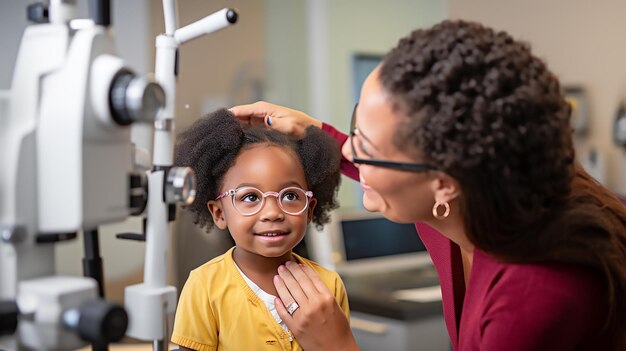
INTRODUCTION
A revolutionary study has unveiled a powerful new solution for childhood myopia—high-dose atropine. This breakthrough offers fresh hope to parents and caregivers, paving the way for a future where nearsightedness no longer limits a child’s vision, academic success, or overall well-being.
THE GROWING MYOPIA EPIDEMIC IN CHILDREN
Myopia, or nearsightedness, is becoming increasingly common among children worldwide. If left untreated, it can lead to serious complications. High myopia significantly raises the risk of retinal detachment, cataracts, and glaucoma, potentially leading to permanent vision loss. Poor vision can also impact academic performance, making it difficult for children to read, learn, and perform well in school. Additionally, myopia can reduce a child’s overall quality of life by limiting their ability to participate in sports, extracurricular activities, and social interactions.
HIGH-DOSE ATROPINE: A GAME-CHANGING TREATMENT
Recent research has shown that high-dose atropine, at concentrations of 0.5% or 1%, can effectively slow down the progression of myopia in children. This treatment works by relaxing the ciliary muscle, which reduces excessive focusing effort and helps maintain a stable visual state. More importantly, it slows the elongation of the eyeball, a key factor in worsening myopia. By controlling eye growth, atropine helps prevent the severe complications associated with high myopia.
RESEARCH FINDINGS: WHY THIS MATTERS
Studies have demonstrated that children receiving high-dose atropine treatment experience a 50 to 60 percent reduction in myopia progression compared to those given a placebo. This significant improvement means that fewer children will develop high myopia, reducing their risk of vision-threatening complications later in life. The treatment has also been found to be generally well-tolerated. Although some children may experience mild side effects, such as temporary blurred vision or eye irritation, most adapt well and continue with their daily activities without major disruptions.
WHAT PARENTS AND CAREGIVERS SHOULD KNOW
The availability of high-dose atropine presents a groundbreaking opportunity for managing childhood myopia. Parents concerned about their child’s vision should consult an eye care professional to discuss whether atropine treatment is a suitable option. Regular eye exams will also be essential to monitor the effectiveness of the treatment and make adjustments if necessary.
THE FUTURE OF MYOPIA MANAGEMENT
The success of high-dose atropine marks a major step forward in controlling childhood myopia. As research continues, even more advanced treatments may become available, offering children a brighter, clearer future. By staying informed and proactive, parents and caregivers can take the necessary steps to protect their child’s vision and overall well-being.
TAKE CHARGE OF YOUR CHILD’S VISION TODAY!



No comment