Colon cancer (CC) remains one of the world’s deadliest diseases, claimingover 903,000 lives in 2022 alone.
It is now the third most common cancer globally and the second leading cause of cancer-related deaths, with nearly 1.9 million new cases diagnosed every year. While genetics and lifestyle play a role, diet stands out as one of the most powerful and controllable factors in reducing risk.
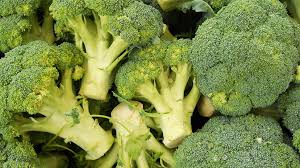
A new systematic review has uncovered encouraging evidence: people who regularly consumed cruciferous vegetables such as broccoli, cabbage, cauliflower, and Brussels sprouts had a 20% lower risk of developing colon cancer compared to those who ate fewer of these foods.
The analysis, which included 17 studies with over 639,000 participants and nearly 98,000 cases of colon cancer, revealed that eating just 20–40 grams of cruciferous vegetables daily provided the strongest protective benefit.
Why are these vegetables so powerful? They are packed with fiber, vitamin C, carotenoids, and flavonoids—all known to support gut and overall health. But their real secret weapon lies in glucosinolates, natural compounds released when the vegetables are chewed. These compounds break down into isothiocyanates, particularly sulforaphane (SFN)—a bioactive molecule behind both the strong aroma of cruciferous veggies and their remarkable cancer-protective, chemopreventive effects.
The findings, published in BMC Gastroenterology, highlight a simple yet powerful truth: adding cruciferous vegetables to your plate isn’t just a dietary choice it’s a step toward lowering cancer risk and protecting long-term health.
Isothiocyanates protect the body against cancer in powerful ways. They can shut down enzymes that activate carcinogens, trigger the self-destruction of harmful cells, block the growth of new blood vessels that feed tumors, and halt the cell cycle all of which help stop cancer cells from multiplying and spreading.
To better understand how cruciferous vegetables influence colon cancer risk, researchers examined data from seven cohort studies and 10 case–control studies. Their goal was to see whether eating more of these vegetables truly translates into greater protection—and to pinpoint the amounts that make a real difference.
The findings were striking. The protective effect began to show at around 20 grams per day—roughly a small serving of broccoli or Brussels sprouts. The greatest benefit appeared between 20 and 40 grams per day, while eating beyond that (40–60 grams or more) did not provide extra protection. In other words, the effect plateaus after a certain point, suggesting that moderation and consistency matter more than excess.
Interestingly, geography also seemed to influence results. The strongest protective effects were seen in studies from North America and Asia, while evidence from Europe and Australia was less clear. This may point to differences in diet, cooking methods, or even genetic and lifestyle factors across regions.
Still, researchers caution that while the link between cruciferous vegetables and reduced colon cancer risk is highly promising, it should be interpreted carefully. Differences in study design, data collection, and dietary assessment mean more research is needed to confirm the exact role these vegetables play.



No comment