
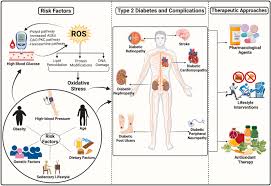
COULD THIS FORGOTTEN MINERAL UNLOCK A DIABETES BREAKTHROUGH
Scientists are exploring a surprising weapon in the fight against diabetes and oxidative stress zinc a humble metal with extraordinary healing potential While best known for boosting immunity new research reveals that when engineered into a powerful compound zinc could help tackle one of the worlds most stubborn chronic diseases
The study focuses on a cutting edge zinc based molecule called ZnHCP a complex name hiding revolutionary promise Early findings suggest this compound may combat the twin demons of diabetes high blood sugar and cellular damage from oxidative stress which drive devastating complications like nerve damage heart disease and kidney failure
But why zinc This essential mineral already plays a critical role in insulin production and blood sugar regulation Now researchers are supercharging its effects by binding it to a carefully designed chemical partner creating a targeted therapy that could enhance insulin sensitivity neutralize harmful free radicals and shield cells from diabetes related damage
The road from lab to pharmacy is long but the implications are huge If successful ZnHCP could offer a dual action defense against diabetes not just managing symptoms but addressing the root causes of metabolic dysfunction
The big question Could this be the missing link in diabetes treatment As science unlocks zincs hidden potential millions of patients wait for answers
Stay tuned the future of diabetes care might be written in zinc
MEET THE SCIENTIST UNLOCKING ZINC’S DIABETES-FIGHTING SECRETS
Behind this groundbreaking diabetes research stands Edema Adegboyega Adeleye, a biochemist and pharmacologist whose work is helping rewrite what we know about metabolic disease. As part of an elite interdisciplinary team, Adeleye played a pivotal role in cracking the code of how the zinc-based compound ZnHCP battles diabetes at the cellular level.
The Experiment That Could Change Diabetes Care
The team made waves with ex vivo studies on pancreatic tissue – the insulin-producing powerhouse that diabetes ravages. Their findings were striking:
– ZnHCP slashed oxidative stress markers by supercharging the body’s natural defenders: glutathione and catalase
– It blocked key carbohydrate-digesting enzymes (α-amylase and α-glucosidase), potentially slowing glucose spikes after meals
– Remarkably, it turbocharged Na/K-ATPase and ENTPDase
– critical enzymes for maintaining cellular energy balance
Why This Changes Everything
Adeleye’s biochemical detective work revealed something extraordinary: ZnHCP doesn’t just treat symptoms
– it actively protects and repairs the pancreas’s delicate metabolic machinery. “We’re seeing dual action,” the team reports, “both shielding cells from damage and enhancing their natural sugar-regulating abilities.”
The Biochemist Connecting the Dot
Adeleye’s expertise proved invaluable in:
– Deciphering how ZnHCP’s molecular interactions translate to real clinical benefits
– Mapping the compound’s effects to known diabetes disease pathways
– Building the scientific bridge between lab results and potential human treatments
The Bottom Line: While more research is needed, this work – powered by scientists like Adeleye – suggests we may be on the verge of a new class of zinc-based diabetes therapies that tackle both causes and consequences of this global health crisis.
*Next stop? Translating these findings into treatments that could help millions.*
What truly inspired me about this research was its groundbreaking fusion of two scientific worlds the precise chemistry of trace metals with the healing potential of therapeutic biology explained the lead researcher While this zinc based compound remains in the experimental stage the remarkable early findings have convinced our team to pursue more advanced testing The next critical steps will involve rigorous live organism trials and comprehensive safety evaluations to fully unlock this treatments potential for diabetes patients worldwide
The researchers emphasize that what makes their approach unique is how it combines fundamental chemical principles with cutting edge medical applications This isnt just incremental progress they note but rather a completely new pathway that could lead to more effective diabetes therapies Their confidence stems from the compounds demonstrated ability to simultaneously address multiple aspects of the disease at the molecular level
As the team prepares for the next phase of testing the scientific community watches with anticipation recognizing that this innovative blend of chemistry and biology could represent a significant leap forward in metabolic disease treatment The researchers remain cautiously optimistic that their work may eventually translate into tangible benefits for millions living with diabetes globally.
A Future Where Science Meets Accessibility
This research aims to transform ZnHCP into an affordable, science-powered nutraceutica—a potential game-changer for diabetes care worldwide. Imagine:
– Supporting current treatments with a zinc-based boost
– Providing an accessible option where medications are scarce
-Offering a low-toxicity, high-impact solution
With chronic diseases straining global health systems, breakthroughs like this—led by innovators like Edema Adeleye—could help **democratize better metabolic health**. The goal? Turning complex biochemistry into **real-world hope** for millions.
The future of diabetes care might just come in a capsule.
Zinc’s New Frontier in Medicine
This research proves how ordinary metals can become extraordinary medicines. ZnHCP represents the exciting potential of biochemistry – where elements from the periodic table may hold revolutionary healing power.
Behind every breakthrough stand dedicated scientists like Adeleye, transforming fundamental chemistry into life-changing solutions. Their work reminds us that the future of medicine often lies in reinventing nature’s simplest building blocks.
The age of smart metal-based therapies has begun.



No comment