SCIENCE ALERT: VITAMIN D DEFICIENCY LINKED TO HIGHER COLORECTAL CANCER RISK – BUT HERE’S THE HOPE-FILLED NEWS!
A major new research review analyzing 50 studies involving more than one million participants has revealed compelling evidence that vitamin D may play a crucial role in both preventing colorectal cancer and improving survival rates for those diagnosed with the disease. The comprehensive analysis found that higher vitamin D levels were consistently associated with reduced risk of developing this deadly cancer, while also appearing to enhance outcomes for existing patients. These findings suggest that maintaining adequate vitamin D levels could be a simple yet powerful strategy in the fight against colorectal cancer, which remains one of the most common and lethal cancers worldwide. The study adds to growing evidence about vitamin D’s potential anti-cancer properties, particularly for cancers of the digestive system.
A major new study published in the scientific journal Nutrients has revealed compelling evidence about vitamin D’s potential role in combating colorectal cancer, which ranks as the second most common cancer in men and third in women globally. After thoroughly reviewing 50 different studies involving more than one million participants, researchers discovered that maintaining adequate vitamin D levels may significantly reduce the risk of developing this deadly disease while also improving outcomes for those already diagnosed.
The research team explained that vitamin D offers multiple protective benefits against cancer. It strengthens the immune system by helping reduce harmful inflammation in the body. More importantly, vitamin D demonstrates specific anti-cancer properties by promoting healthy cell death and preventing the uncontrolled cell growth that leads to tumors.
The study particularly highlights the importance of maintaining proper vitamin D levels in the blood. Several studies included in the analysis showed that patients with higher vitamin D levels tended to have better survival rates after colorectal cancer diagnosis. Additionally, optimal vitamin D levels appeared to help prevent cancer recurrence in survivors.
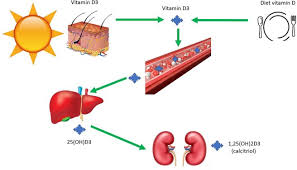
These findings suggest that something as simple as ensuring sufficient vitamin D intake – whether through sunlight exposure, diet or supplements – could become an important strategy in both preventing colorectal cancer and supporting treatment success. With colorectal cancer remaining one of the most prevalent and dangerous cancers worldwide, this research offers promising insights into a potentially powerful protective measure that could save lives.



No comment