

“Lassa Fever Outbreak: A Growing Threat as Cases Surge Across Nigeria – What You Need to Know
Lassa fever, one of Nigeria’s most feared and deadly contagious diseases, has made a concerning comeback, with a sharp spike in infections reported across Bauchi, Ondo, Taraba, Edo, Plateau, Cross River, and Kogi states. According to the Nigeria Centre for Disease Control and Prevention (NCDC), between February 17 and 23 this year, 95 deaths were recorded, reflecting a case fatality rate (CFR) of 18.8%—a figure that mirrors the same period in 2024. This alarming trend highlights the urgent need for increased awareness, preventive measures, and community action to combat the spread of this life-threatening disease. Learn how to protect yourself and your loved ones as we break down the risks, symptoms, and essential steps to stay safe.”
“Lassa Fever Alert: Key Insights into the Current Outbreak and Who’s Most at Risk
The latest data reveals a troubling spread of Lassa fever across multiple Local Government Areas (LGAs), with 73% of confirmed cases concentrated in Ondo, Bauchi, and Edo states. The remaining 27% of cases are scattered across nine other states, signaling a widening impact. Young adults aged 21-30 are the most affected demographic, with a male-to-female ratio of 1:0.8 among confirmed cases. This outbreak underscores the urgent need for targeted education, preventive measures, and community engagement to curb the spread of this deadly disease. Stay informed, stay vigilant, and learn how to protect yourself and your community from this growing health crisis.”
In a concerning update, data from February 24 to March 2, 2025, revealed a sharp rise in Lassa fever cases, with 2,728 suspected infections, 535 confirmed cases, and 98 deaths reported across 14 states. The case fatality rate stands at 3%, with five states accounting for a staggering 91% of all confirmed cases. This alarming trend underscores the urgent need for heightened vigilance, improved healthcare responses, and community-driven efforts to curb the spread of this deadly disease.
“Understanding Lassa Fever: A Deadly Viral Threat and How It Spreads
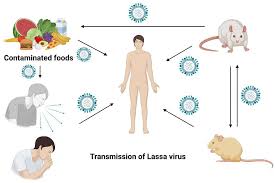
Lassa fever is a severe viral hemorrhagic illness first identified in 1969 in Lassa, a town in Borno State. The disease is primarily transmitted through contact with the urine or feces of infected rodents, which often invade homes and communities. Symptoms can range from mild to life-threatening, including nausea, vomiting blood, stomach pain, constipation, hepatitis, rapid heart rate, and respiratory issues. Other signs include headaches, body weakness, cough, diarrhea, muscle pain, chest pain, sore throat, and, in severe cases, bleeding from the ears, eyes, nose, mouth, and other body openings.
The annual outbreak of Lassa fever, typically peaking between January and April, is closely linked to environmental factors such as bush burning, which drives rodents out of their natural habitats and into residential areas. Additionally, poorly managed refuse dump sites near homes provide ideal breeding grounds for these disease-carrying rodents. Understanding these risks and taking proactive measures—such as proper waste disposal, rodent control, and heightened hygiene practices—are critical steps in preventing the spread of this deadly disease. Stay informed, stay vigilant, and protect your community from this recurring health threat.”
“We applaud the government for its swift response to the current Lassa fever outbreak. However, the number of victims could have been significantly reduced if proactive public awareness campaigns had been launched earlier to educate communities on essential preventive measures. Lassa fever, a seasonal disease with predictable patterns, demands consistent vigilance and preparedness, especially from environmental health officials.
Awareness remains the most effective tool in combating Lassa fever, as no vaccine currently exists. Public education campaigns must emphasize the dangers of practices like drying grains on roadsides, where they are easily contaminated by rodent urine and feces—a primary transmission route for the virus. Farmers and rural residents, in particular, need targeted guidance to minimize exposure risks.
Additionally, there is an urgent need for the government to establish more Lassa fever testing centers across the country, especially in endemic regions. Equipping every state with a dedicated testing laboratory would drastically reduce diagnosis times, enabling faster treatment and better outcomes for patients.
Finally, this fight cannot rest solely on the federal government. State governments must treat Lassa fever as a medical emergency and take ownership of the battle against this deadly disease. Collaborative efforts, robust funding, and community engagement are essential to curb the spread and save lives. Together, we can turn the tide against Lassa fever.”



No comment