INTRODUCTION
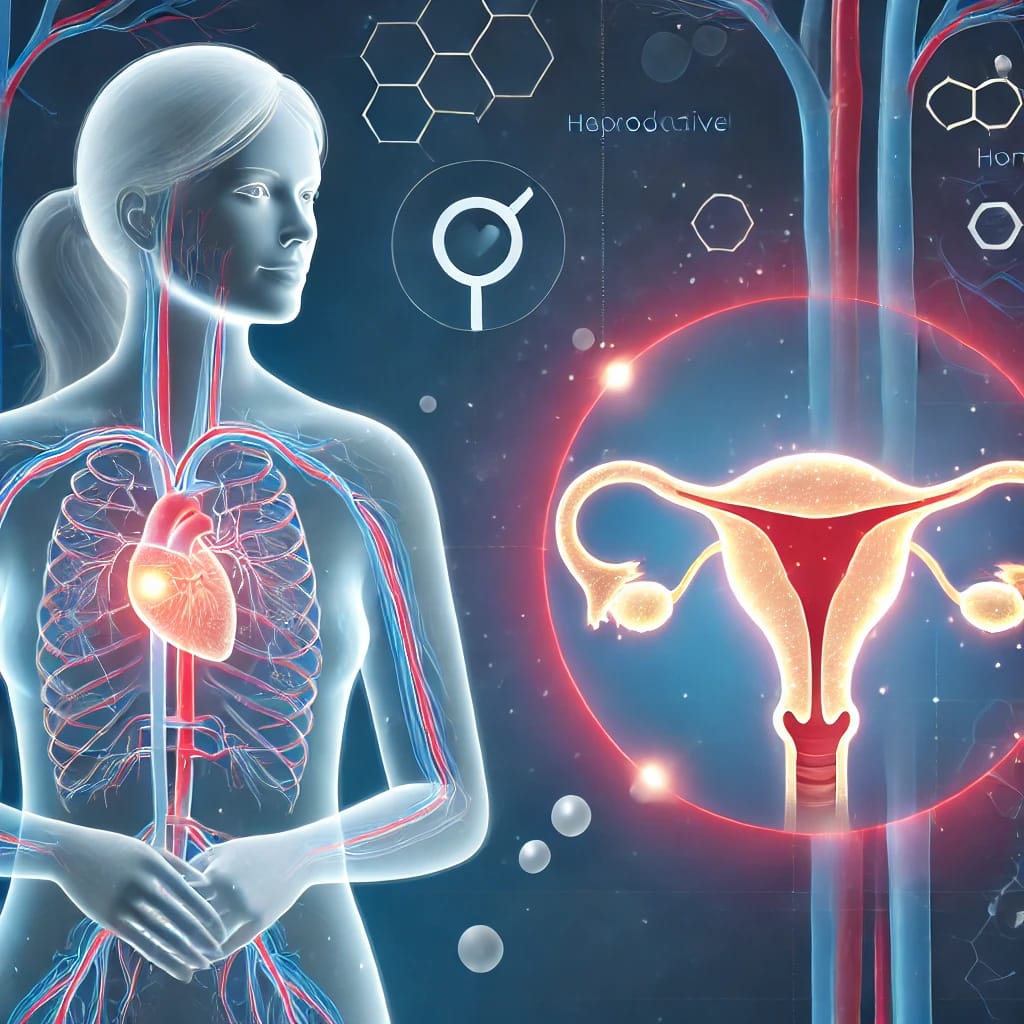
Heart disease has long been considered a condition that primarily affects men but recent research has revealed a critical connection between reproductive health issues and cardiovascular diseases in women Studies now show that conditions such as irregular periods polycystic ovary syndrome PCOS endometriosis and early menopause can significantly increase a woman’s risk of developing heart disease Understanding this link is crucial for early detection prevention and improved overall health
HOW REPRODUCTIVE HEALTH ISSUES AFFECT THE HEART
Women with reproductive health disorders often experience hormonal imbalances inflammation and metabolic changes that can negatively impact heart health Some of the most common conditions linked to cardiovascular disease include
1) POLYCYSTIC OVARY SYNDROME PCOS PCOS is a hormonal disorder that affects millions of women worldwide It is associated with insulin resistance obesity and high cholesterol levels which increase the risk of hypertension and heart disease
2) ENDOMETRIOSIS This painful condition occurs when tissue similar to the lining of the uterus grows outside the womb Studies suggest that women with endometriosis may have a higher risk of developing high blood pressure and heart disease due to chronic inflammation and increased stress on the cardiovascular system
3) IRREGULAR OR HEAVY PERIODS Menstrual irregularities are often linked to hormonal imbalances and underlying metabolic disorders Women with frequent or heavy periods may have an increased risk of anemia which can strain the heart over time
4) EARLY MENOPAUSE Women who experience menopause before the age of forty have a significantly higher risk of heart disease The loss of estrogen a hormone that helps protect the heart leads to increased blood pressure cholesterol levels and arterial stiffness
SIGNS AND SYMPTOMS TO WATCH FOR
Women with reproductive health issues should be aware of early warning signs of heart disease including
1) PERSISTENT FATIGUE Unexplained tiredness may be a sign that the heart is struggling to pump blood effectively
2) SHORTNESS OF BREATH Difficulty breathing during physical activity or even at rest can indicate cardiovascular problems
3) CHEST PAIN OR DISCOMFORT This is one of the most common symptoms of heart disease and should never be ignored
4) SWELLING IN THE LEGS OR FEET Fluid retention in the lower body may be a sign of heart failure
5) UNUSUAL HEARTBEAT Irregular or rapid heartbeats could signal an underlying cardiovascular issue
PREVENTIVE MEASURES FOR BETTER HEART AND REPRODUCTIVE HEALTH
While some reproductive health conditions are unavoidable women can take proactive steps to protect their heart health These include
1) MAINTAINING A HEALTHY DIET Eating a balanced diet rich in fruits vegetables whole grains and lean proteins can help regulate hormones and reduce the risk of cardiovascular disease
2) REGULAR EXERCISE Physical activity improves blood circulation helps control weight and reduces the risk of metabolic disorders linked to heart disease
3) MANAGING STRESS Chronic stress affects both reproductive and cardiovascular health Practicing relaxation techniques like yoga meditation and deep breathing can be beneficial
4) REGULAR MEDICAL CHECKUPS Women with reproductive health concerns should have routine screenings for blood pressure cholesterol and blood sugar levels to detect early signs of heart disease
5) HORMONAL BALANCE Working with healthcare professionals to regulate hormone levels through lifestyle changes medication or hormone therapy can lower the risk of cardiovascular complications
IMPORTANCE OF AWARENESS AND EARLY INTERVENTION
Many women may not realize the connection between their reproductive health and heart disease until they develop serious complications Raising awareness about this link is crucial for early intervention By recognizing symptoms seeking medical advice and adopting a heart-healthy lifestyle women can reduce their risk of cardiovascular disease and improve their overall well-being
CONCLUSION
The link between reproductive health issues and heart disease in women is an important but often overlooked aspect of healthcare Understanding this connection allows women to take proactive steps in protecting both their heart and reproductive health By prioritizing lifestyle changes regular medical checkups and stress management strategies women can significantly reduce their risk of cardiovascular disease and enjoy a healthier future



No comment