
INTRODUCTION
Health officials in the UK have raised concerns about a possible second wave of norovirus infections due to the rapid spread of a new strain This highly contagious virus often referred to as the winter vomiting bug is spreading fast and poses serious health risks especially to young children the elderly and those with weakened immune systems
WHAT IS NOROVIRUS AND WHY IS IT DANGEROUS
Norovirus is a highly infectious virus that causes severe vomiting diarrhea stomach cramps and nausea It spreads easily through contaminated food water surfaces and direct contact with infected individuals Even a small number of virus particles can cause infection making outbreaks difficult to control
Unlike bacterial infections norovirus cannot be treated with antibiotics The virus can survive on surfaces for days and is resistant to many disinfectants which makes hygiene and sanitation crucial in preventing its spread
WHY IS A SECOND WAVE EXPECTED
Health experts have reported an unusual increase in norovirus cases across the UK which suggests that a second wave is imminent The new strain of the virus appears to be more contagious or harder for the immune system to recognize leading to a higher transmission rate Schools hospitals and care homes are particularly vulnerable as the virus spreads rapidly in crowded environments
COMMON SYMPTOMS OF NOROVIRUS
Symptoms usually appear within 12 to 48 hours after exposure and last for one to three days The most common symptoms include
1) Vomiting and diarrhea
2) Nausea and stomach cramps
3) Fever chills and body aches
4) Fatigue and dehydration
In severe cases dehydration can cause dizziness dry mouth reduced urine output and confusion which may require medical attention
HOW TO PROTECT YOURSELF FROM NOROVIRUS
With the increasing risk of a second wave it is important to take the following precautions to prevent infection
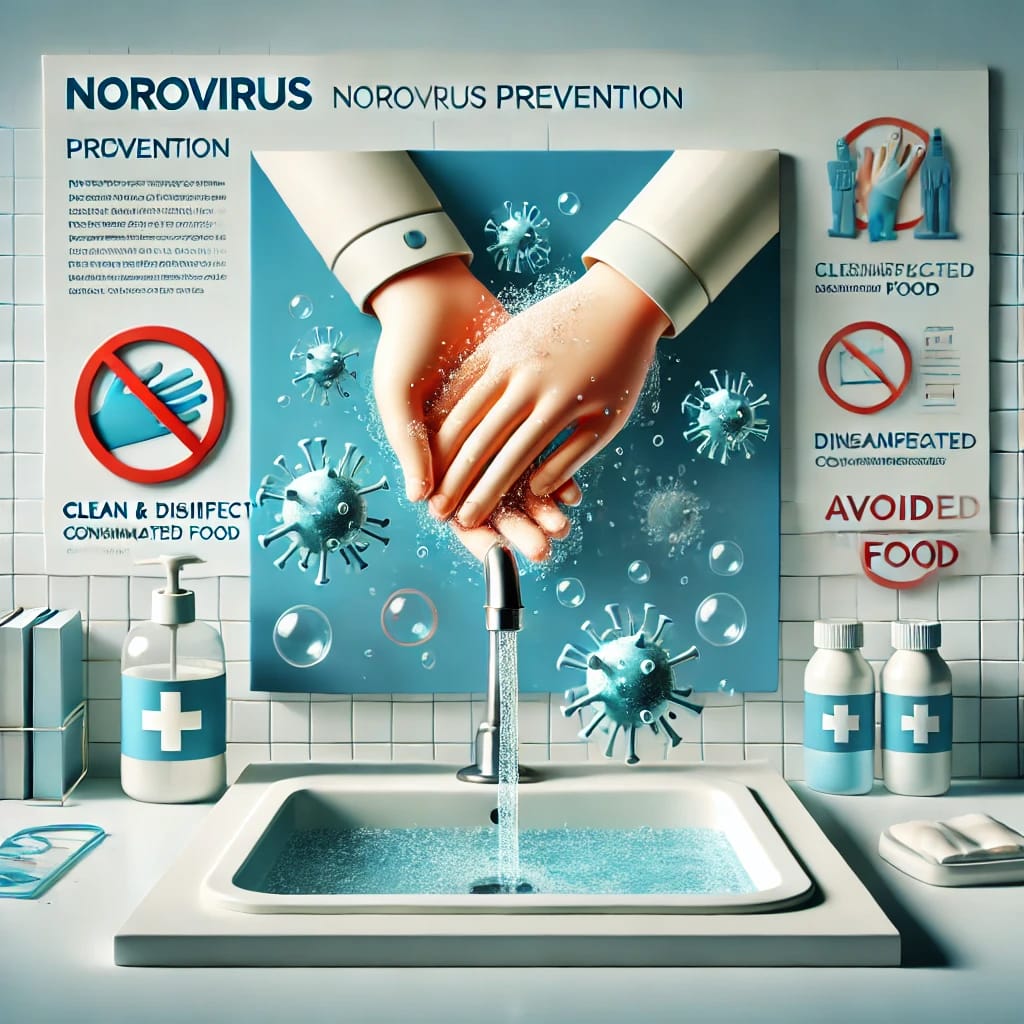
1) WASH HANDS REGULARLY Wash hands thoroughly with soap and water especially after using the restroom before eating and after contact with contaminated surfaces Hand sanitizers are less effective against norovirus so soap and water are best
2) DISINFECT SURFACES PROPERLY Norovirus can survive on surfaces for days Clean and disinfect frequently touched areas such as doorknobs light switches countertops and bathroom surfaces using a bleach based cleaner
3) AVOID CONTAMINATED FOOD AND WATER Norovirus can spread through contaminated food and drinks Make sure to wash fruits and vegetables properly cook shellfish thoroughly and avoid sharing utensils or drinks with sick individuals
4) STAY HOME IF YOU FEEL SICK If you experience symptoms of norovirus avoid going to work school or public places for at least 48 hours after symptoms stop This helps prevent further spread
5) PRACTICE GOOD HYGIENE IN PUBLIC PLACES In crowded areas such as offices schools and public transport maintain good hygiene use disposable tissues and avoid close contact with sick individuals
WHAT TO DO IF YOU GET INFECTED
If you contract norovirus focus on staying hydrated and resting Drink plenty of fluids such as water electrolyte drinks and clear broths to prevent dehydration Avoid sugary or caffeinated drinks as they can make dehydration worse Seek medical attention if symptoms persist or become severe especially for young children the elderly and those with weakened immune systems
STAY INFORMED AND STAY SAFE
With the risk of a second wave of norovirus infections now is the time to reinforce hygiene habits and take precautions to protect yourself and your loved ones By following these simple preventive measures we can help reduce the spread of this highly contagious virus



No comment