
INTRODUCTION
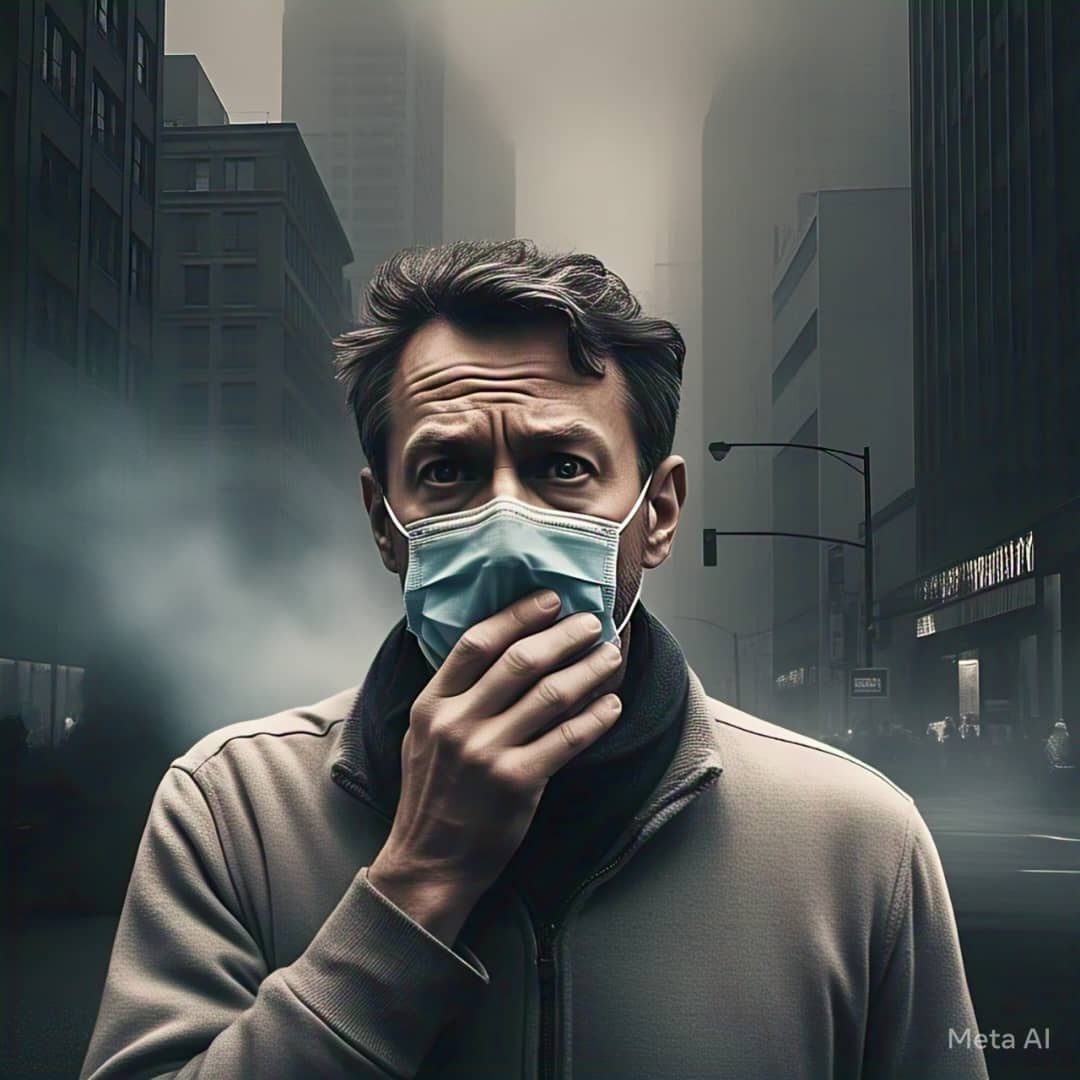
Air pollution is an invisible but deadly threat that surrounds us every day. From city streets filled with smog to the smoke from raging wildfires, the air we breathe is increasingly contaminated with toxic pollutants. While we may not see it, the impact on our health is undeniable. Studies show that air pollution is a silent killer, significantly increasing the risk of premature death and severe diseases.
THE DEADLY DUO WILDFIRE SMOKE AND CITY SMOG
Two major sources of air pollution are wreaking havoc on human health: wildfire smoke and city smog.
1. WILDFIRE SMOKE contains a hazardous mix of tiny particles, carbon monoxide, and toxic chemicals that can travel hundreds of miles, affecting millions of people. The devastation caused by wildfires is not just in the flames but also in the long-term respiratory issues caused by inhaling the smoke.
2. CITY SMOG is a dangerous byproduct of human activities such as vehicle emissions, industrial production, and energy generation. It consists of nitrogen dioxide, ozone, and particulate matter, all of which contribute to serious health problems.
THE HEALTH RISKS A GROWING CONCERN
The dangers of air pollution extend far beyond simple discomfort. Exposure to polluted air is linked to:
1. RESPIRATORY DISEASES – Air pollution irritates the lungs, worsens asthma, and increases the risk of chronic obstructive pulmonary disease and lung infections.
2. CARDIOVASCULAR DAMAGE – Toxic air particles enter the bloodstream, leading to high blood pressure, heart attacks, strokes, and other cardiovascular diseases.
3. CANCER – Prolonged exposure to polluted air raises the risk of lung cancer and other forms of cancer.
4. NEUROLOGICAL EFFECTS – Studies show that air pollution negatively affects brain function, increasing the risk of dementia, memory loss, and even mental health disorders like depression and anxiety.
THE VULNERABLE WHO IS MOST AT RISK
Although air pollution is harmful to everyone, certain groups are particularly vulnerable:
1. CHILDREN – Developing lungs and brains make children highly susceptible to air pollution, increasing their risk of respiratory illnesses and cognitive impairments.
2. OLDER ADULTS – The elderly are more likely to suffer from heart and lung diseases that are worsened by air pollution.
3. PEOPLE WITH PRE-EXISTING CONDITIONS – Individuals with asthma, heart disease, or diabetes are at greater risk of severe health complications due to polluted air.
TAKING ACTION HOW TO PROTECT OURSELVES
While air pollution is a global crisis, there are steps individuals and communities can take to minimize its impact:
1. STAY INFORMED – Monitor air quality reports and take precautions when pollution levels are high.
2. REDUCE EMISSIONS – Use public transportation, carpool, or opt for electric and hybrid vehicles to decrease pollution.
3. IMPROVE INDOOR AIR QUALITY – Use air purifiers, avoid smoking indoors, and increase ventilation to keep indoor air clean.
4. SUPPORT CLEAN ENERGY INITIATIVES – Advocate for policies that promote renewable energy sources and reduce reliance on fossil fuels.
5. PLANT TREES – Trees help filter air pollutants and produce oxygen, improving air quality and overall health.
CONCLUSION
Air pollution is a silent but deadly crisis that affects millions worldwide. By understanding the risks and taking action to reduce exposure, we can protect our health and work towards a cleaner, safer future. The fight against air pollution requires collective effort from individuals, communities, and governments.
At AURELA HEALTH ILLUMINATION FOUNDATION, we are committed to promoting public health and creating awareness about environmental threats. Join us in our mission to protect communities from the dangers of air pollution and other health risks.



No comment