INTRODUCTION
Nigeria is grappling with a double health crisis: the escalating threat of antimicrobial resistance (AMR) and the devastating impact of severe flooding on its healthcare system. In response, the World Health Organization (WHO) is stepping in with critical support to help the Nigerian government address these urgent health challenges.
THE ESCALATING THREAT OF ANTIMICROBIAL RESISTANCE
Antimicrobial resistance (AMR) occurs when microorganisms evolve to resist the drugs designed to eliminate them, making infections harder to treat. This growing crisis has severe implications:
1. Prolonged Illnesses and Higher Mortality Rates – Infections caused by resistant bacteria last longer, require stronger medications, and increase the risk of fatal outcomes.
2. Dwindling Treatment Options – As more drugs lose effectiveness, doctors have fewer choices to combat infections, putting patient lives at greater risk.
3. Economic Strain on Healthcare and the Nation – The rising costs of prolonged hospitalizations, expensive treatments, and lost productivity create a heavy financial burden on families and the economy.
WHO’S STRATEGY TO COMBAT AMR IN NIGERIA
To curb the AMR crisis, WHO is collaborating with the Nigerian government to implement effective strategies:
1. Enhancing Surveillance and Data Collection – Strengthening AMR monitoring systems to track resistance patterns and shape informed healthcare policies.
2. Promoting Responsible Antibiotic Use – Training healthcare professionals on proper antibiotic prescription practices to prevent misuse and overuse.
3. Strengthening Infection Prevention and Control – Improving hygiene and infection control protocols in hospitals and clinics to reduce the spread of resistant bacteria.
SEVERE FLOODING AND ITS IMPACT ON HEALTHCARE
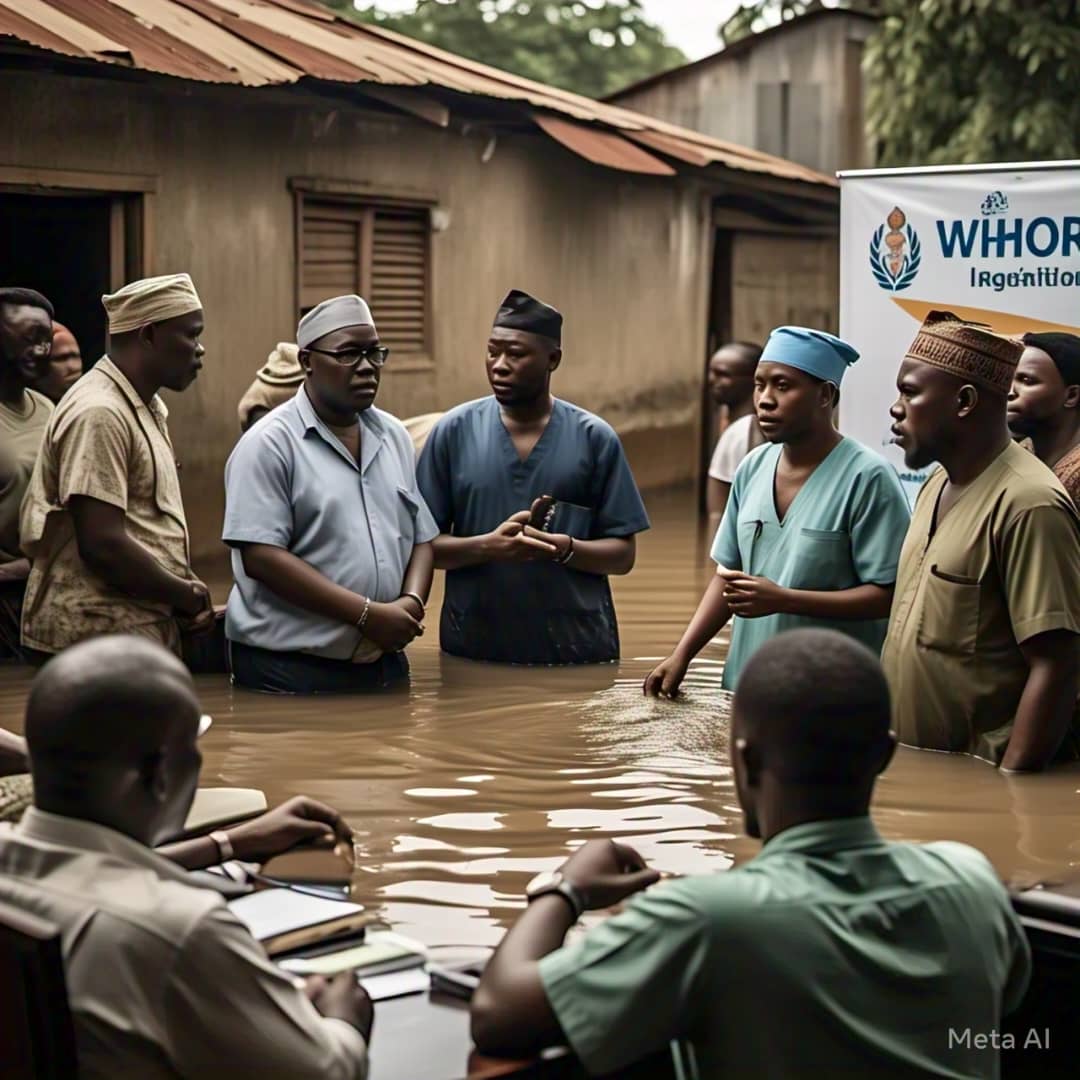
Alongside the AMR crisis, Nigeria is also facing widespread health emergencies caused by severe flooding. The floods have led to:
1. Mass Displacement and Limited Healthcare Access – Thousands of families have been forced from their homes, cutting them off from essential medical services.
2. Contaminated Water Sources and Disease Outbreaks – The floods have polluted drinking water, leading to a surge in waterborne diseases like cholera, dysentery, and diarrhea.
3. Destruction of Healthcare Infrastructure – Many hospitals and clinics have been damaged, making it difficult to provide adequate medical care to affected communities.
WHO’S EMERGENCY RESPONSE TO THE FLOODING CRISIS
To mitigate the health risks caused by the floods, WHO is actively supporting Nigeria through:
1. Deployment of Emergency Medical Supplies – Delivering lifesaving medications, medical kits, and other essential supplies to affected areas.
2. Strengthening Disease Surveillance and Outbreak Control – Enhancing monitoring systems to detect, track, and contain potential disease outbreaks.
3. Community Health Education and Awareness Campaigns – Teaching affected populations about hygiene, sanitation, and disease prevention to minimize health risks.
BUILDING A STRONGER HEALTHCARE SYSTEM FOR THE FUTURE
The WHO’s commitment to fighting AMR and providing emergency health assistance underscores the importance of global collaboration in safeguarding public health. By investing in stronger healthcare infrastructure, promoting responsible antibiotic use, and preparing for future disasters, Nigeria can build a more resilient healthcare system for generations to come.


No comment