INTRODUCTION
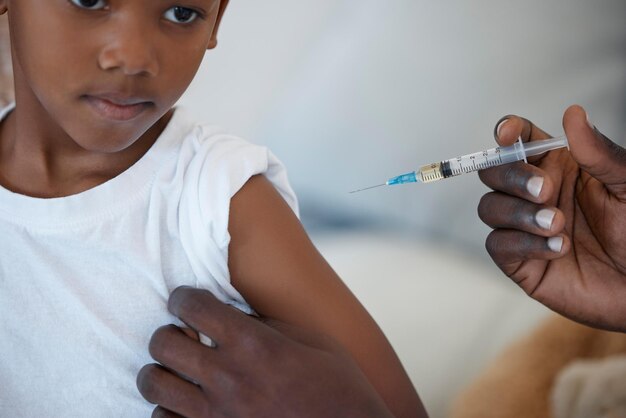
In a transformative public health initiative, Nigeria has rolled out the R21 malaria vaccine, a cutting-edge intervention designed to safeguard children from one of the deadliest diseases affecting the nation. This historic achievement is a pivotal step in the fight against malaria, a disease that claims thousands of lives in Nigeria annually.
MALARIA: A CRITICAL HEALTH CHALLENGE IN NIGERIA
Malaria remains one of the leading causes of illness and death in Nigeria, particularly among children under the age of five. According to the World Health Organization (WHO), Nigeria shoulders a staggering 27% of global malaria cases and 24% of malaria-related deaths in Africa. This disease devastates families, overwhelms healthcare systems, and hampers socio-economic development.
THE R21 MALARIA VACCINE: A REVOLUTIONARY DEVELOPMENT
The R21 malaria vaccine, developed by the University of Oxford in collaboration with the Serum Institute of India, represents a monumental breakthrough in malaria prevention. It is the first vaccine to demonstrate such high levels of efficacy, specifically in protecting children from the life-threatening disease.
HOW THE R21 MALARIA VACCINE WORKS
The R21 vaccine functions by introducing a harmless fragment of the malaria parasite to the immune system. This triggers an immune response, equipping the body to recognize and combat the actual parasite if exposed. The result? Effective prevention of malaria infection and its severe complications.
IMPACT OF THE R21 VACCINE: SAVING LIVES AND FUTURES
The introduction of the R21 malaria vaccine is expected to drastically reduce the disease burden in Nigeria. Key anticipated outcomes include:
1. REDUCING MALARIA CASES AND DEATHS
By preventing infections, the vaccine is poised to save thousands of lives annually.
2. LESSENING HOSPITAL BURDENS
Fewer malaria cases will translate into reduced hospital admissions, alleviating pressure on healthcare systems.
3. IMPROVING QUALITY OF LIFE
Protecting children from malaria allows families to thrive, with less time and resources spent on treatment and recovery.
OVERCOMING CHALLENGES AND EMBRACING OPPORTUNITIES
While the launch of the R21 vaccine is a significant milestone, certain hurdles must be addressed to ensure its success:
1. ENSURING VACCINE ACCESSIBILITY
Efforts must focus on reaching children in rural and underserved areas to achieve nationwide coverage.
2. PROMOTING VACCINE UPTAKE
Raising awareness among parents and caregivers about the vaccine’s safety and benefits is crucial.
3. SUSTAINING FINANCIAL SUPPORT
Ongoing investments are essential to fund the vaccine rollout and complementary malaria control strategies.
MOVING FORWARD: A COMMITMENT TO MALARIA ERADICATION
The R21 malaria vaccine signals a turning point in Nigeria’s battle against malaria. Its success depends on collaboration among governments, health organizations, and communities to overcome challenges and maximize its life-saving potential. By ensuring equitable access to this groundbreaking vaccine, Nigeria takes a bold step toward eradicating malaria and securing a healthier future for its children.



No comment