
INTRODUCTION
Parkinson’s disease (PD) is one of the most common neurodegenerative disorders affecting millions of people worldwide. Yet, despite its prevalence, many are unaware of the challenges it brings to those who live with it. Understanding Parkinson’s disease is not only crucial for early diagnosis and effective treatment but also essential for building a supportive community for those affected.
This post delves into the causes, symptoms, treatment options, and lifestyle adjustments for people with Parkinson’s disease, with the aim of raising awareness and fostering empathy.
WHAT IS PARKINSON’S DISEASE?
Parkinson’s disease is a progressive neurodegenerative disorder that primarily affects movement. It occurs when the brain’s dopamine-producing neurons — located in a part of the brain called the substantia nigra — begin to deteriorate and die. Dopamine is essential for controlling movement and coordination, and as its levels decline, people with Parkinson’s experience difficulty with motor functions.
KEY SYMPTOMS OF PARKINSON’S DISEASE:
The symptoms of Parkinson’s develop gradually and can vary from person to person. The hallmark symptoms include:
1. TREMORS
Tremors, or shaking, are the most recognized symptom of Parkinson’s. They usually start in one hand or foot when at rest and may spread to other areas of the body.
Example: A person may experience a “pill-rolling” tremor, where the fingers appear to be rolling a small object.
2. BRADYKINESIA (SLOWNESS OF MOVEMENT)
Over time, the movement becomes slower, making even simple tasks like walking or eating more difficult.
Example: A person may take small, shuffling steps while walking.
3. MUSCLE RIGIDITY
Muscle stiffness, particularly in the arms, legs, and neck, can make it difficult for individuals to move freely and may cause pain.
Example: The person may have trouble turning in bed or maintaining a normal posture.
4. POSTURAL INSTABILITY
People with Parkinson’s may experience balance problems, leading to falls. This symptom often appears later in the disease.
Example: Difficulty standing upright or feeling like they are “pulling” to one side.
5. SPEECH AND FACIAL EXPRESSION CHANGES
The disease can cause a soft or monotone voice and a reduction in facial expressions (often referred to as masked face).
Example: The person may appear less expressive or have a “blank” look even when engaged in conversation.
6. OTHER NON-MOTOR SYMPTOMS
Apart from motor symptoms, Parkinson’s can also cause:
Cognitive changes: Memory loss, difficulty concentrating, and, in some cases, dementia.
Depression and anxiety: These emotional challenges are common.
Sleep disturbances: Difficulty falling asleep, frequent waking during the night.
Autonomic symptoms: Changes in blood pressure, digestion issues, and excessive sweating.
CAUSES AND RISK FACTORS
While the exact cause of Parkinson’s disease remains unknown, several factors may contribute to its development:
Genetic Factors: A small percentage of Parkinson’s cases are hereditary. Certain gene mutations have been linked to the disease, though they are rare.
Environmental Factors: Exposure to toxins, such as pesticides, or living in areas with high pollution may increase the risk.
Age: Parkinson’s disease most commonly affects people over the age of 60, with the risk increasing as a person gets older.
Gender: Men are more likely than women to develop Parkinson’s disease.
DIAGNOSIS OF PARKINSON’S DISEASE
There is no single test to diagnose Parkinson’s disease. Doctors rely on a thorough evaluation, including:
Medical History: The doctor will ask about symptoms, medical background, and family history.
Neurological Exam: A physical and neurological exam to assess movement, coordination, and reflexes.
Imaging: Although there is no definitive imaging test, doctors may use MRI, CT scans, or PET scans to rule out other conditions and assess brain activity.
In some cases, doctors may diagnose Parkinson’s based on symptoms and may not be able to confirm it until the disease progresses.
TREATMENT AND MANAGEMENT OF PARKINSON’S DISEASE
Although there is no cure for Parkinson’s disease, there are treatments available to manage symptoms and improve quality of life.
1. MEDICATION
The primary treatment for Parkinson’s is medication that helps manage symptoms by either replacing dopamine or mimicking its effects. Common medications include:
Levodopa: The most effective treatment, converted to dopamine in the brain.
Dopamine Agonists: Mimic dopamine’s effect on the brain.
MAO-B Inhibitors: Block the enzyme that breaks down dopamine.
COMT Inhibitors: Help extend the effects of levodopa.
2. SURGERY
In some cases, surgical treatments like Deep Brain Stimulation (DBS) may be considered. DBS involves implanting electrodes in specific brain regions, helping to reduce symptoms like tremors and rigidity.
3. PHYSICAL AND OCCUPATIONAL THERAPY
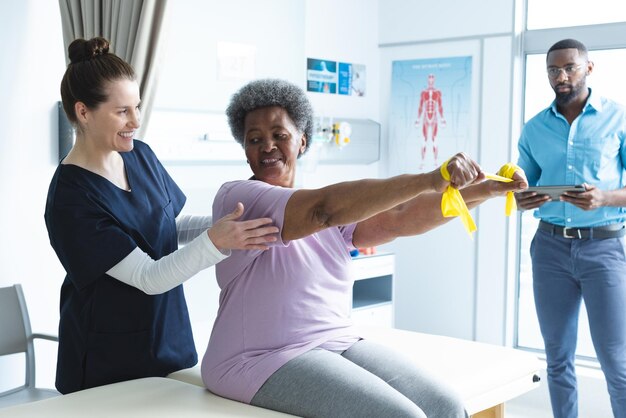
Therapies are essential to maintain independence and mobility. Physical therapy helps improve movement, strength, and balance, while occupational therapy focuses on adapting daily tasks to the patient’s abilities.
4. SPEECH THERAPY
Speech therapists can help with voice and communication problems, improving the clarity of speech and facial expressions.
5. LIFESTYLE AND SUPPORT
Adopting a healthy lifestyle is key to managing Parkinson’s. Eating a balanced diet, staying active, and seeking social support can help improve both physical and emotional well-being. Support groups can provide invaluable assistance for both patients and caregivers.
LIVING WITH PARKINSON’S DISEASE: A JOURNEY OF ADAPTATION
While Parkinson’s disease is a chronic condition, it is important to recognize that many people with PD continue to lead full, active lives. Early diagnosis, appropriate treatments, and a strong support system can help individuals manage their symptoms and maintain independence.
It is also essential for caregivers and loved ones to be educated about Parkinson’s, as they play a crucial role in supporting the person through the disease. Compassion, patience, and understanding can make a world of difference.
CONCLUSION:
Parkinson’s disease is more than just a condition that affects movement; it impacts various aspects of life, including emotions, daily routines, and relationships. Through awareness, early diagnosis, and effective treatment, people with Parkinson’s can live fulfilling lives. If you or someone you know is experiencing symptoms of Parkinson’s disease, it’s important to seek medical advice and support as early as possible.
Together, we can raise awareness and work towards improving the lives of those living with Parkinson’s disease.



No comment