INTRODUCTION
Stroke, often dubbed the “silent killer,” is a medical emergency that knows no boundaries. It affects people of all ages and health statuses, claiming over 6 million lives annually worldwide. However, understanding its causes and adopting proactive strategies can significantly lower the risk. Let’s dive deep into the causes, management, and natural ways to protect yourself.
WHATH IS STROKE?
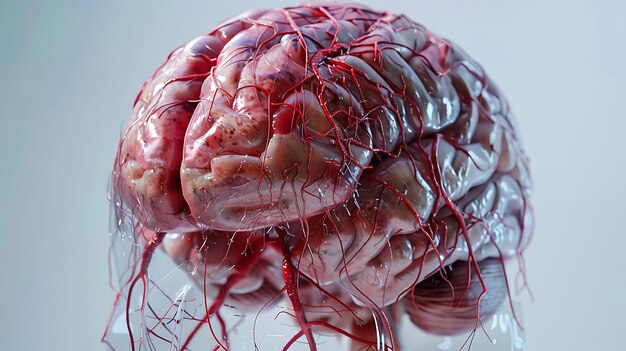
A stroke happens when the brain’s blood supply is disrupted—either due to a blockage (ischemic stroke) or a ruptured blood vessel (hemorrhagic stroke). When this occurs, brain cells begin to die, leading to the loss of essential functions like speech, movement, or memory.
CAUSES OF STROKE
Several factors can trigger a stroke. Recognizing these risks is the first step toward prevention:
1. High Blood Pressure: The leading cause, it damages and narrows blood vessels, making them prone to rupture or blockages.
2. Atherosclerosis: Plaque buildup narrows blood vessels, restricting blood flow to the brain.
3. Blood Clots: Clots obstructing blood vessels in the brain are a major cause of ischemic strokes.
4. Diabetes: Elevated blood sugar damages blood vessels, heightening stroke risk.
5. Smoking: Toxins in cigarettes weaken blood vessels and promote clot formation.
HOW TO MANAGE STROKE
Managing stroke involves both emergency treatments and long-term strategies to prevent recurrence:
1. Medications: Anticoagulants, antiplatelets, and thrombolytics help prevent or dissolve clots and maintain smooth blood flow.
2. Lifestyle Adjustments:
Quit smoking.
Exercise regularly (at least 30 minutes a day).
Follow a balanced, heart-friendly diet rich in whole grains, fruits, and vegetables.
3. Rehabilitation:
Physical Therapy: Restores mobility and strength.
Speech Therapy: Helps with communication challenges.
Occupational Therapy: Aids in regaining daily life skills.
NATURAL WAYS OF REDUCING STROKE RISKS
In addition to medical care, embracing natural methods can be a powerful complement:
1. Turmeric: Contains curcumin, a compound with anti-inflammatory and antioxidant properties that promote vascular health.
2. Ginger: A natural anti-inflammatory that enhances circulation and reduces clot risks.
3. Garlic: Packed with antioxidants, garlic supports healthy blood pressure and cholesterol levels.
4. Omega-3 Fatty Acids: Found in fatty fish (e.g., salmon, mackerel), these fats reduce inflammation and boost cardiovascular health.
5. Yoga and Meditation: These practices improve stress management, blood flow, and overall well-being
RECOGNIZING STROKE SYMPTOMS
Quick action can save lives! Use the FAST test to identify stroke symptoms:
Face drooping on one side.
Arm weakness or numbness.
Speech difficulties (slurring or confusion).
Time to call emergency services immediately.
Frequently Asked Questions (FAQs)
WHATH ARE THE TYPES OF STROKE
Ischemic Stroke: Caused by blockages in blood vessels.
Hemorrhagic Stroke: Caused by ruptured blood vessels.
Transient Ischemic Attack (TIA): A “mini-stroke” with temporary symptoms.
HOW IS STROKEDIAGNOSED?
Doctors use tests like CT scans, MRIs, and blood work to confirm a stroke and identify its type.
3. How can I reduce my stroke risk?
Control high blood pressure, cholesterol, and diabetes.
Quit smoking.
Maintain a healthy weight and active lifestyle.
4. How is stroke treated?
Treatment depends on the type of stroke. It may include clot-busting drugs, surgery, or rehabilitative therapies.
CONCLUSION
Stroke is a preventable tragedy for many. While medical advances have improved outcomes, adopting healthy habits—like consuming antioxidant-rich foods, staying active, and managing stress—can help you stay one step ahead. Protect your brain and overall health by making conscious choices today!
Promote awareness of stroke by sharing this guide with your friends and family. Together, we can combat the silent killer.



No comment