INTRODUCTION
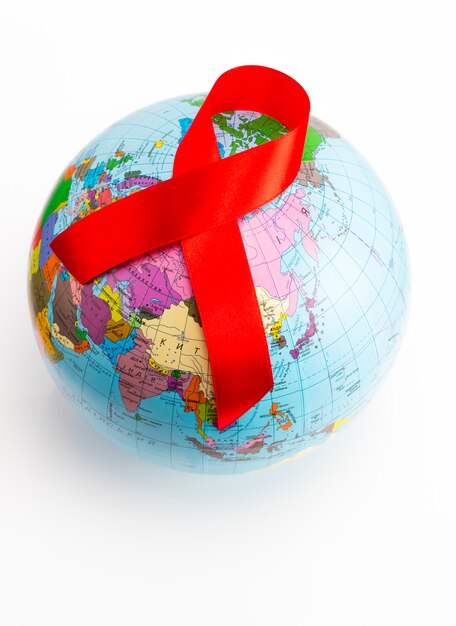
The global battle against HIV/AIDS has achieved remarkable milestones over the past decade, yet critical gaps persist. A recent report from the Institute for Health Metrics and Evaluation (IHME) paints a mixed picture: while strides have been made, significant hurdles remain.
Progress: A Decade of Positive Change
Between 2010 and 2021, the world witnessed a significant decline in both new HIV infections and AIDS-related deaths. New infections dropped from 2.1 million to 1.7 million, and deaths fell from 1.2 million to 718,000. This progress reflects the success of global prevention efforts, treatment scale-ups, and advocacy initiatives.
However, the epidemic remains far from over, with sub-Saharan Africa continuing to bear a disproportionate burden—72% of global HIV-related deaths and 60% of new infections occur in this region.
CRITICAL GAPS IN THE GLOBAL RESPONSE
Despite progress, the IHME report identifies key shortcomings that impede efforts to eliminate HIV/AIDS:
1. Inequitable Access to Care: Many regions, particularly low-income areas, struggle with barriers to testing, treatment, and preventive measures. This leaves vulnerable populations at greater risk.
2. Funding Shortfalls: Limited resources constrain the ability of programs to expand and sustain critical interventions, especially in economically disadvantaged countries.
3. Persistent Stigma and Discrimination: Societal prejudice against individuals living with HIV/AIDS discourages testing, care-seeking, and open discussion, perpetuating the cycle of infection and isolation.
A CALL TO ACTION: WHATH NEEDS TO CHANGE
To overcome these gaps and accelerate progress, the IHME report emphasizes three key strategies:
1. Boost Funding: Expand financial support for HIV/AIDS programs, prioritizing regions with the greatest unmet needs.
2. Ensure Universal Access: Develop inclusive health systems that break down barriers to care, focusing on marginalized and underserved populations.
3. Combat Stigma: Launch public awareness campaigns and promote policies that uphold the dignity and rights of people living with HIV/AIDS.
By addressing these challenges head-on, the global community can make strides toward achieving UNAIDS’ ambitious 2030 goals of ending the HIV/AIDS epidemic.
Knowledge is Power—Be Part of the Solution
Stay informed about the latest advancements and challenges in the fight against HIV/AIDS. Support awareness campaigns, share this knowledge, and contribute to a world free from HIV/AIDS stigma and inequality.



No comment